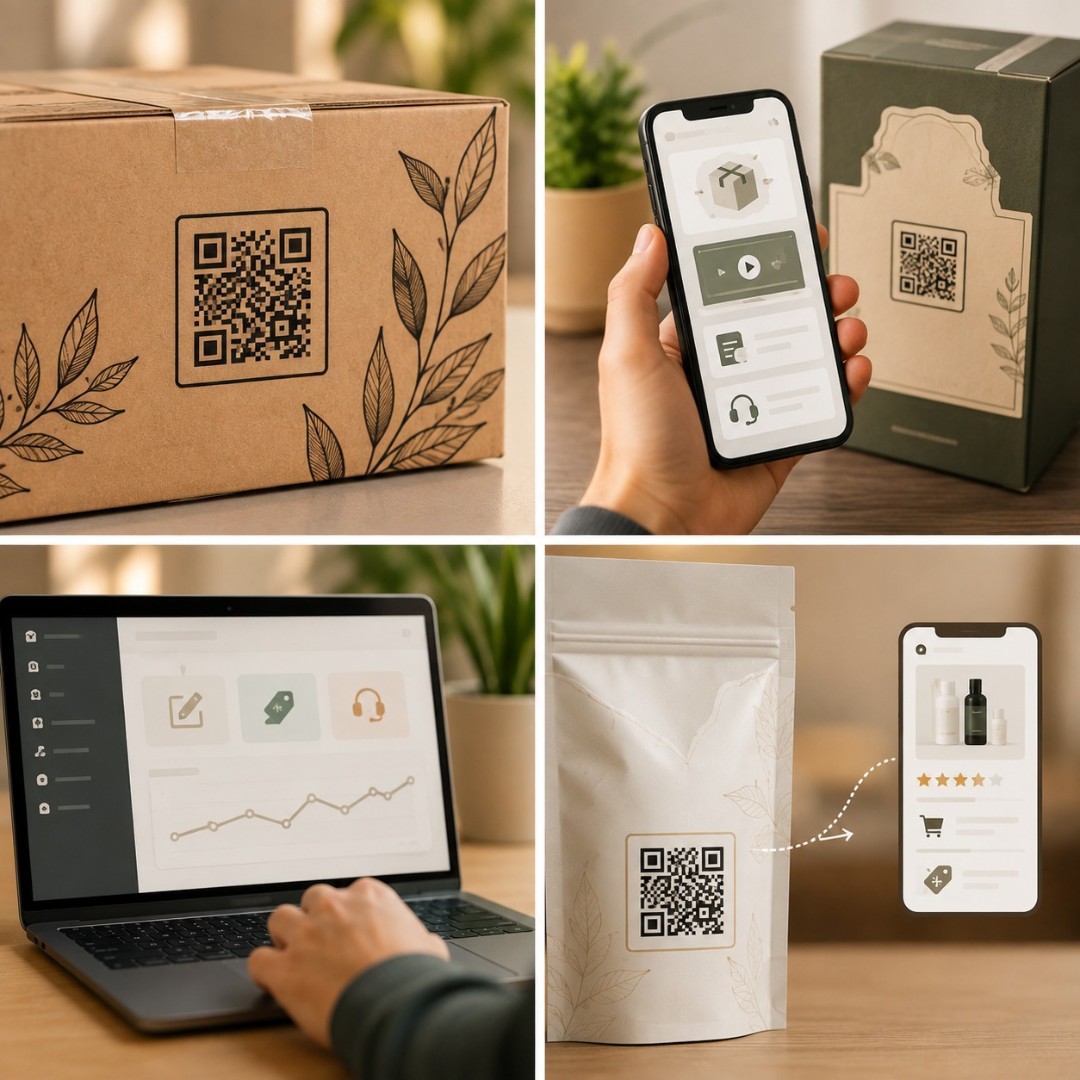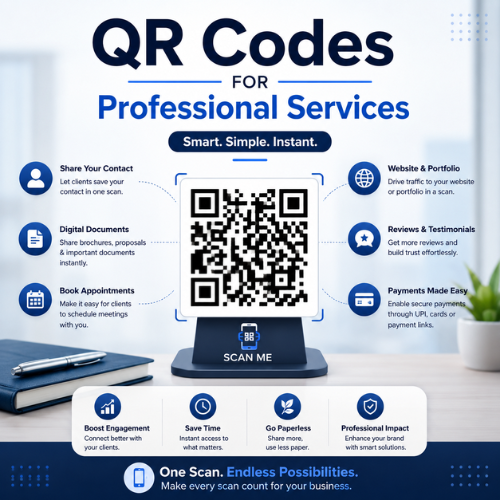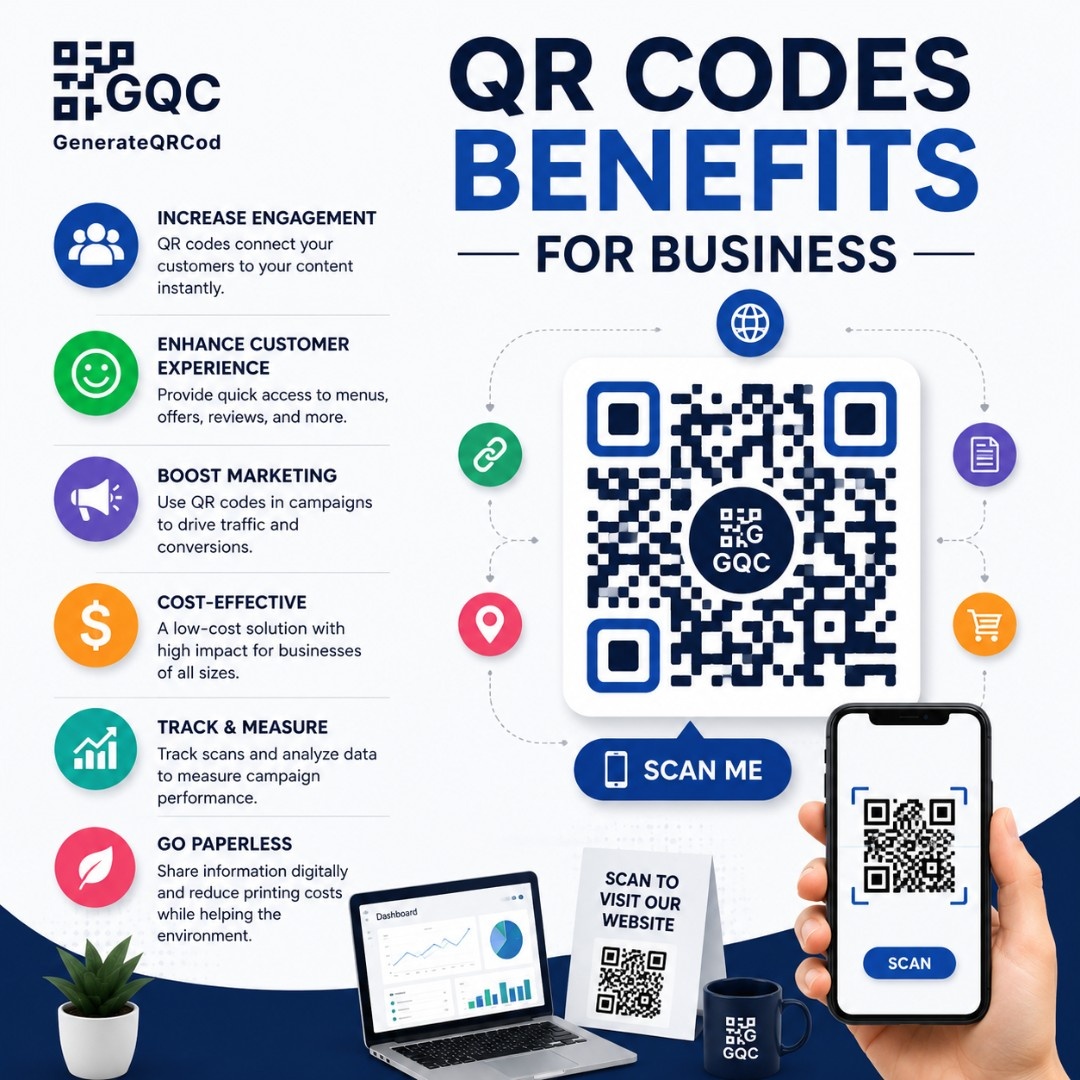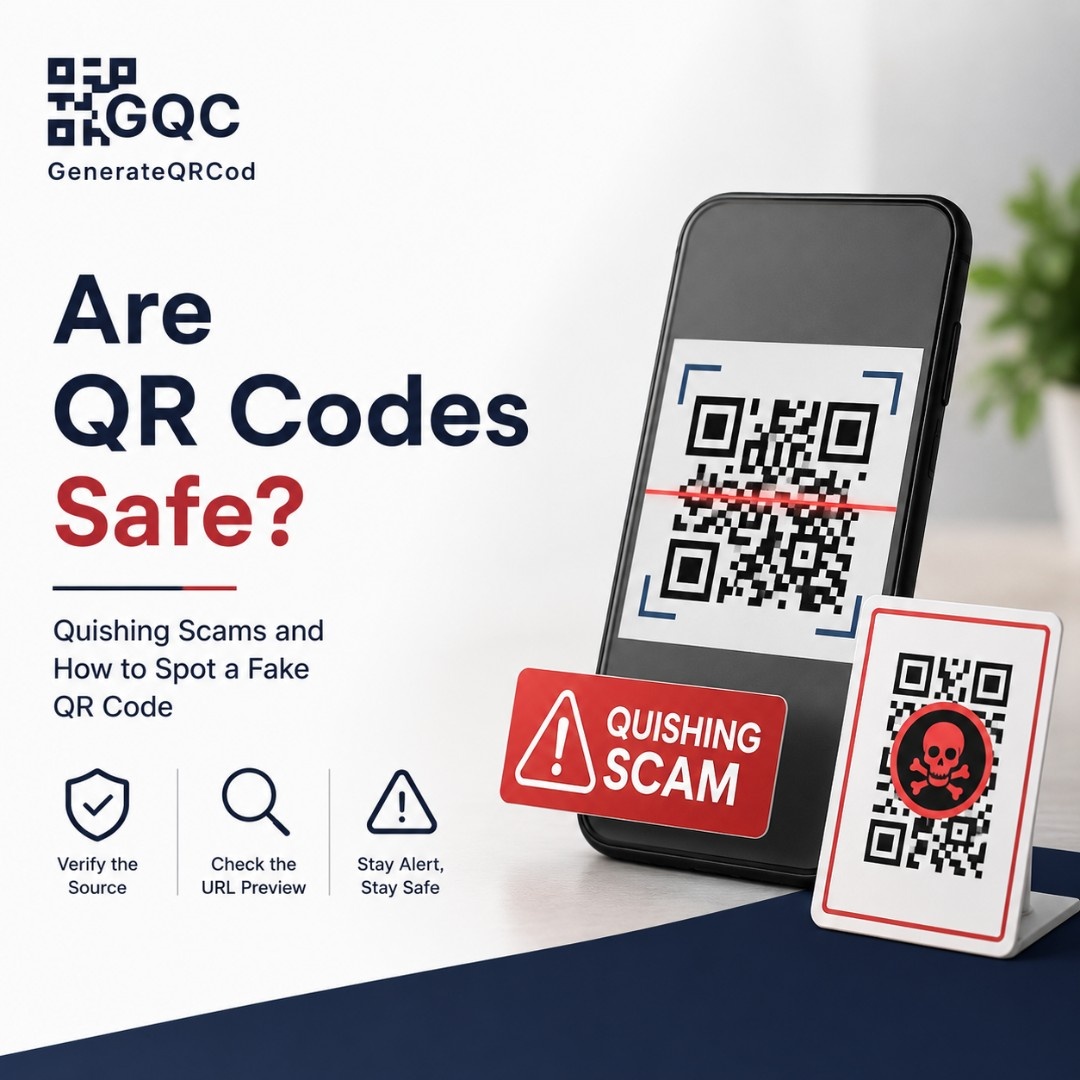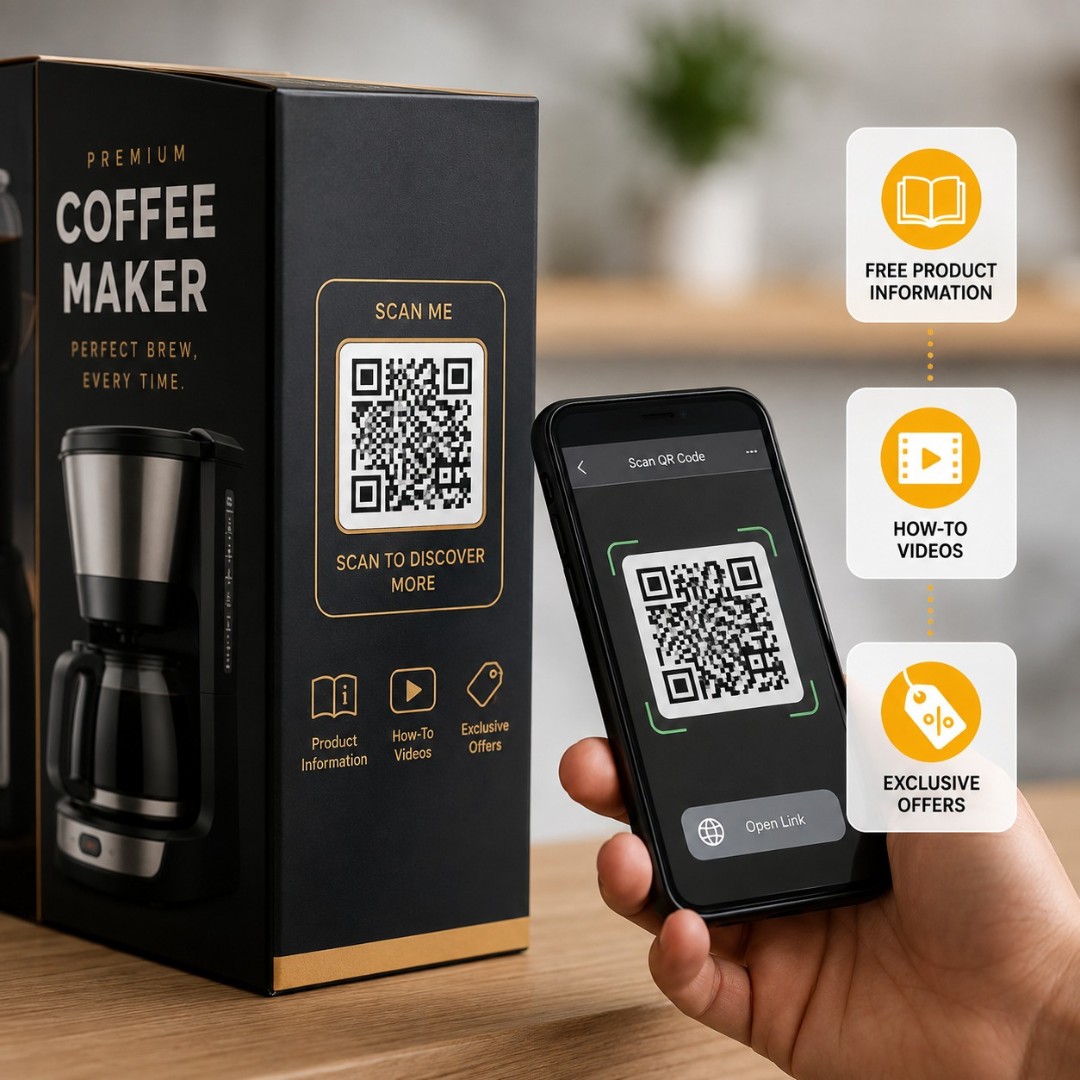
Packaging has always had the same problem. There is more to say about a product than there is room to print. Regulatory text takes the space that design wants, the instruction leaflet gets thrown away with the box, and any correction means a fresh print run of thousands of units.
A code on the pack solves the space problem first. The full ingredient list, material composition, dosage table or technical specification lives on a page, and the label carries a small square instead of six lines of small type. Buyers who want the detail get all of it. Buyers who do not are not made to read past it.
The reprinting problem disappears next. Because the code points to a page rather than to fixed content, you update the page and every pack already printed shows the new version. A revised instruction, a corrected helpline number, a new seasonal offer - all handled without touching the artwork or the stock sitting in a warehouse.
Video changes what packaging can teach. A buyer struggling with an assembly step scans and watches sixty seconds of the actual product being put together. Support calls drop, returns caused by wrong usage drop, and the brand looks more capable than the one with a folded diagram.
The scan also happens after the sale, which is what makes connected packaging useful to marketing. A code on the base takes a buyer to a reorder page when the bottle is nearly empty. A code inside the lid asks for a review at the moment of unboxing. A code on the shipping carton collects delivery feedback. Each of these is a touchpoint that used to end the moment the box was opened.
Whether you sell food, cosmetics, supplements, electronics, apparel or ship ecommerce orders in plain cartons, a QR code gives you one flexible way to connect the physical pack to whatever the buyer needs next.